How to Build a Rummy App Download List You Can Actually Trust
Before you start comparing rummy apps, you need a few things ready: a compatible Android device, enough free storage, a stable connection, and a clear idea of what you actually want from an app. I learned this the hard way after testing dozens of listings over several weeks and finding that most so-called download lists were either outdated, padded with dead links, or written by people who had clearly never opened the apps they recommended. If you want a Rummy App Download List that holds up under real use, the preparation stage matters more than the browsing stage. Get that right, and the rest becomes a filtering exercise rather than a gamble.
I approached this as a tester, not a promoter. Every app I mention in my own shortlist went through the same checklist: install, register, play a few hands, check withdrawal terms, then uninstall and note what broke. That process shaped the questions below, which are the ones I wish someone had answered for me before I wasted an evening on broken APK files.
What Do You Need Ready Before You Start Downloading?
The honest answer is less than most people think, but more than most people bother to check. Here is what I keep ready before touching any download list.
A device that can actually run the app. Most rummy apps in 2026 target Android 8.0 or later, and a handful now expect Android 10+. I keep one mid-range phone and one older budget phone on hand specifically because download lists rarely state minimum requirements clearly. If an app stutters or crashes on the older device, that tells me something about how it was built.
Storage headroom. APK files for card games typically land between 60 MB and 200 MB, but the installed footprint is often double that once assets unpack. I clear at least 1 GB before starting a testing round. Nothing wastes more time than a failed install halfway through a comparison.
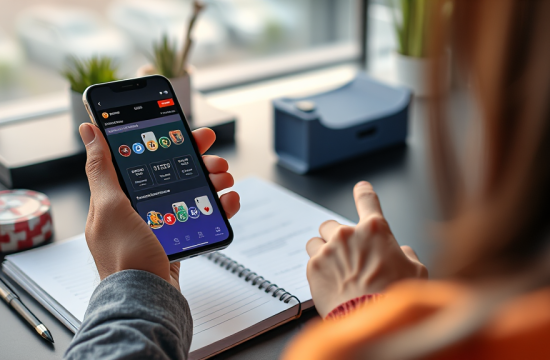
A stable connection and a note-taking method. I use a simple spreadsheet with columns for app name, version, file size, install result, sign-up friction, and withdrawal terms. Without this, every list starts blurring together by the fifth app.
Realistic expectations about what a download list is. A good directory tells you where to find an app and what to expect. It does not guarantee payouts, and it should not pretend to. The better directories, including Rummy APK Hub, are explicit that they are independent and that rummy is intended for adults 18+ with responsible play in mind.
A secondary source for verification. I never trust a single listing. If an app appears on three lists with three different version numbers, that is a signal to check the developer’s own page before downloading anything.
How Should You Judge the Quality of a Download List?
This is where most people go wrong. They judge a list by how many apps it contains. I judge it by how many entries survive a basic audit. Here is the question set I run through.
Does the list show when it was last updated? Rummy apps update frequently, sometimes weekly. A list with no visible refresh date is functionally useless within a month. When I tested directories for this piece, the ones that held up were the ones that clearly refreshed their APK link information rather than publishing once and walking away.
Are the entries comparable, or just listed? A wall of app names tells you nothing. A useful list gives you consistent fields: version, size, notable features, bonus terms, and any restrictions. When the same fields appear for every app, you can actually compare instead of guessing.
Does it separate marketing claims from observable facts? “Best app ever” is noise. “Supports Android 8+, 120 MB download, withdrawal processed within 24 hours in my test” is signal. I look for lists that stick to the second category.
Does it flag risk honestly? Any list that never mentions responsible play, age limits, or regional restrictions is not being straight with you. The presence of those notes is a quality marker, not a legal formality.
Can you trace each entry back to a source? I do not need a full citation, but I do want to know whether the reviewer installed the app or copied a description from somewhere else. The difference shows up in small details, like whether they mention the actual sign-up flow or just the advertised bonus.
One more test that has saved me repeatedly: I pick the three least popular apps on any list and check whether they are described with the same care as the top entries. If the bottom of the list reads like filler, the top probably is too.
Which Details Actually Matter When Comparing Apps?
After testing enough apps to lose count, I have narrowed my comparison criteria to a short set that actually predicts whether I will keep using something.
Install and first-run experience. Does the APK install cleanly on the first attempt? Does the app open without forcing an update before you can even see the interface? Apps that fail this stage rarely improve later.
Registration friction. I time how long it takes from opening the app to playing a first hand. Anything over five minutes usually means excessive verification steps or a confusing flow. Some friction is normal and healthy; endless loops are not.
Table variety and player liquidity. A beautiful interface means nothing if you cannot find a table at your preferred stake. I check at different hours of the day, because liquidity patterns shift and a list that only tested at peak time is giving you half the picture.
Withdrawal terms, read carefully. This is the single most important field in any comparison. I look at minimum withdrawal amounts, processing times, and any conditions attached to bonuses. A generous sign-up offer with punishing withdrawal conditions is worse than a modest offer with clean terms.
Update frequency. I check the version history. Apps that update regularly tend to fix bugs faster. Apps that have not updated in six months are a warning sign, especially in a category where platform requirements change often.
Support responsiveness. I send one simple query to support during testing. Response time and quality tell me more about an app than any promotional page.
When I applied these criteria across a broad set of listings, the field narrowed fast. Most apps failed on withdrawal terms or liquidity, not on graphics or bonuses. That is the opposite of what the marketing suggests, which is exactly why a structured comparison beats browsing.
What Mistakes Should You Avoid With Download Lists?
I made most of these mistakes myself before I started testing properly, so this section is as much a correction of my own habits as advice.
Downloading from the first link you see. Mirror sites and copycat pages are common. I now cross-check the package name and developer before installing anything, and I avoid links that redirect through multiple pages.
Trusting version numbers without checking. A list claiming version 4.2 when the developer’s page shows 3.9 is either outdated or careless. Either way, I skip it until I can verify.
Ignoring device compatibility until after install. I check the stated requirements first, then confirm on my older test phone. This one habit eliminated most of my failed installs.
Treating bonuses as the main criterion. Bonuses are marketing. Withdrawal terms are substance. I now read the terms before the offer, not after.
Skipping the responsible play notes. Any app worth using will have clear information about age limits, spending awareness, and where to get help if play stops being fun. If that information is missing or buried, I treat it as a red flag rather than a minor omission.
Assuming a list is neutral. Some lists are affiliate-driven, which is fine as long as it is disclosed and the information is accurate. The problem is when ranking order clearly follows commission rather than quality. I test the top and bottom entries equally to catch this.
Never revisiting the list. Apps change. A list that was accurate in January may be misleading by June. I recheck my own shortlist every few months and drop anything that has degraded.
If you take one thing from this section, make it the withdrawal-terms habit. It is the single filter that removed the most apps from my shortlist and the one I now apply before anything else.
Frequently Asked Questions
How often should a rummy app download list be updated?
In my testing, anything older than four to six weeks starts losing accuracy, because apps update frequently and download links change. A list that shows a visible refresh date and updates its APK link information regularly is far more useful than one that simply has more entries.
Is it safe to download rummy apps from third-party directories?
It depends on the directory. I check whether the site discloses its independence, shows version details, and avoids aggressive redirects. I also verify the package name against the developer’s own page before installing. Reputable directories make verification easier, not harder.
What should I check first when comparing two rummy apps?
Withdrawal terms, before anything else. Minimum amounts, processing times, and bonus conditions affect your actual experience more than graphics or sign-up offers. After that, I check table liquidity at different hours and how frequently the app updates.
Do I need a high-end phone to use these apps?
No. Most rummy apps run fine on mid-range Android devices from the last few years. I test on an older budget phone as well, and apps that fail there usually have optimization problems worth knowing about before you commit.
Building a download list you can trust is mostly about discipline: prepare your device, verify before installing, compare on substance rather than marketing, and revisit your shortlist periodically. Do that, and you will spend your time playing rather than troubleshooting.